 Quiet Lion
2026 · Founder talks · ElevenLabs
ElevenLabs Team Breakdown: Cold Start, Hours Pricing, Launch Machine
Quiet Lion compresses several public ElevenLabs team interviews into one checkable growth note. Speakers and publish dates: co-founder & CEO Mati Staniszewski · 20VC (Sep 2025); Head of Growth Luke Harries (May 2025); Mobile Growth Tanmay Jain / Jack McDermott · Sub Club (Feb 2026). Edited Oct 2026. Figures are oral and dated—do not treat a year-old ARR ladder as a 2026 industry census.
Core judgment
A voice AI business is not “better model” alone. Early users came from samples, communities, and creator workflows; consumers pay for hours of listening more readily than for tokens; major launches are treated as reusable acquisition assets. For AIGC builders, the hard ops are: cold-start venues, pricing units, and a launch machine.
Growth ladder (oral)
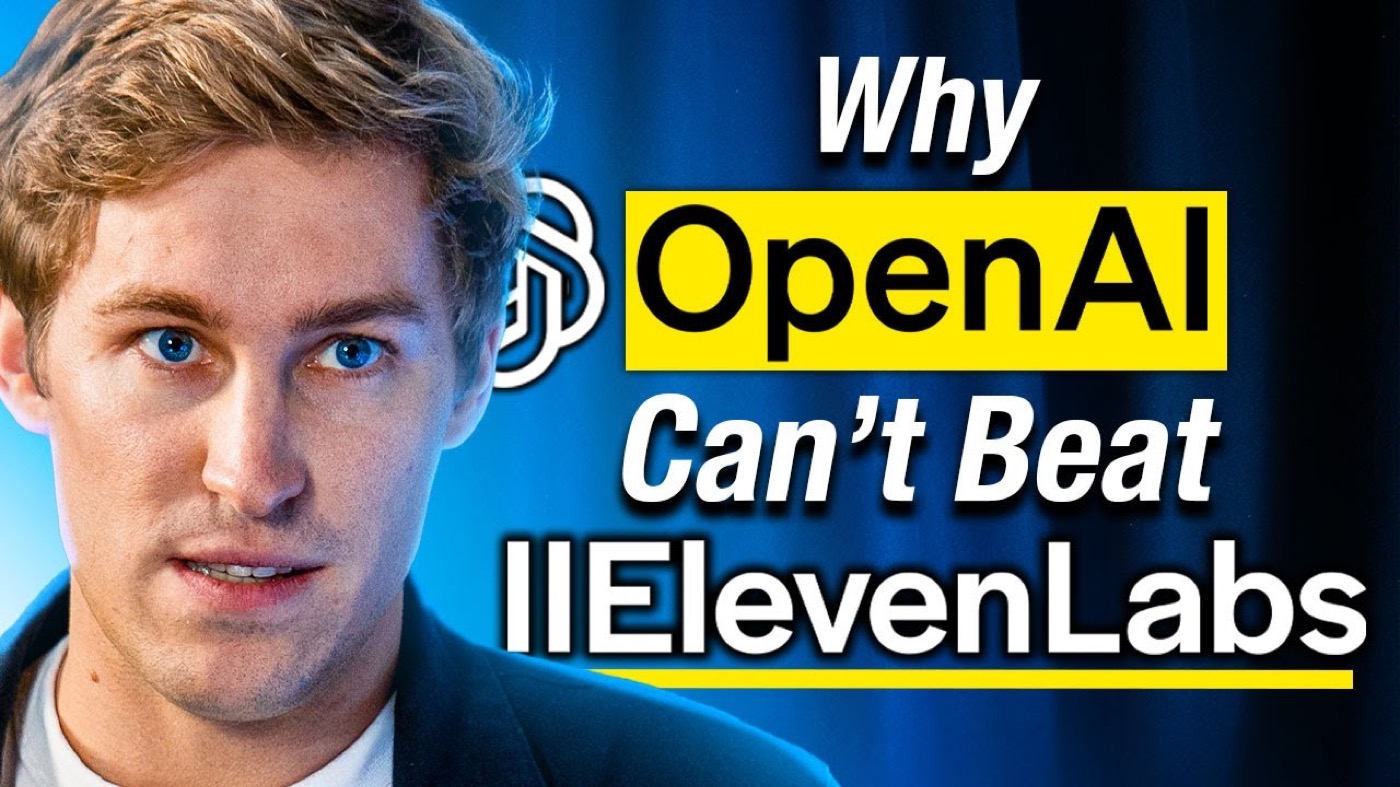
Mati on 20VC: ~$35M ARR by end-2023; ~20 months to $100M; ~10–15 months to $200M; past $200M at interview time. Pre-seed $2M (~$9M post); ~30–50 investors early. ~250 people as ~20 parallel squads. Product-led growth stacked with launch GTM—not a slow content company portrait.
Cold start: traditional media barely moved the needle
Origin pain: watching foreign shows in Poland dubbed with one flat narrator for every role—reading, not acting. They chased better multi-role dubbing. Mati cold-emailed YouTubers (~15% reply) but enthusiasm was low without samples. Smaller jobs won: narration, fix takes, hear-before-record; TTS became the main line. A “AI can laugh” sample newsletter spike roughly pushed waitlist to ~1,000 overnight. Big publications felt big, barely moved users; Discord, Reddit, HN, and creator circles did. Mati: founders overrate traditional media and underrate the forums where users actually hang out.
Pricing: consumers buy hours; creators speak credits
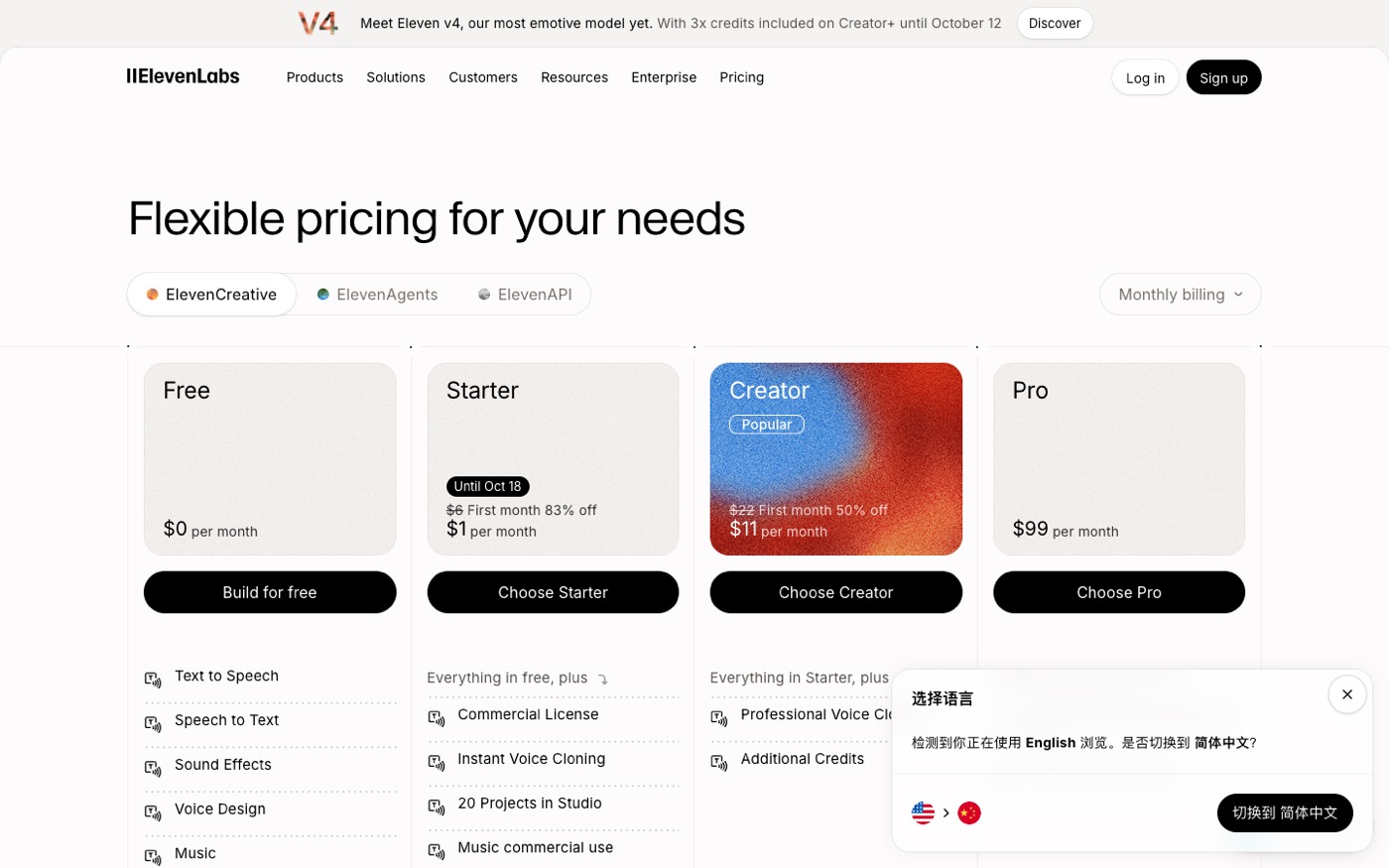
ElevenReader’s packaging win: replace token/credit talk with “how many hours can I listen.” Creator main app can keep credits; two apps = two ICPs. Mobile web may stack plans; phone often keeps one price. Price in the user’s workload units—cost is internal; buyers need “what this payment finishes.”
GTM: launches as an operating system
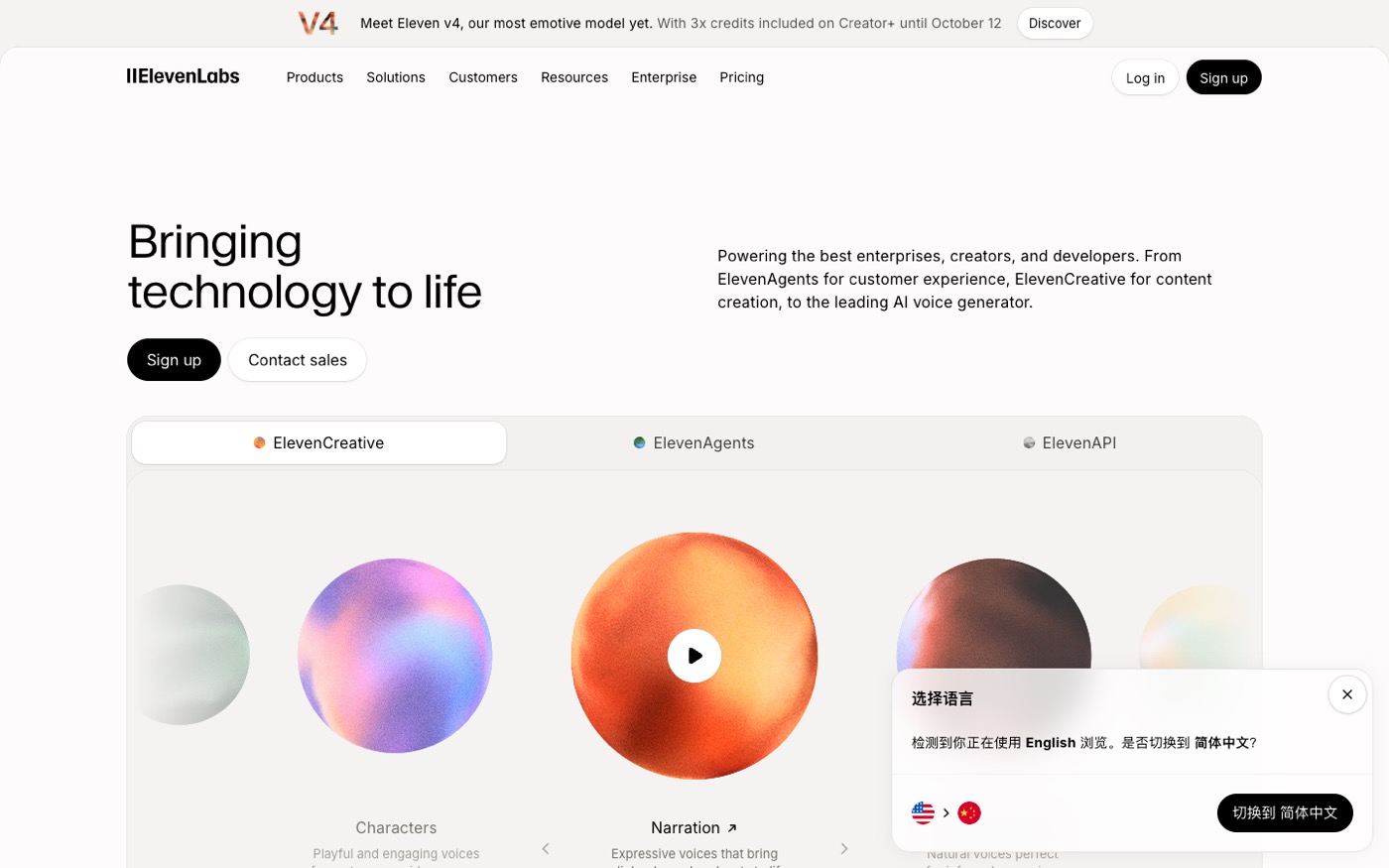
Luke splits launches: Tier 1 (new model / major line, surround-sound), Tier 2 (features users care about), Tier 3 (changelog). Tier 1 pipeline: lock one primary message → write the X thread first (if it won’t write, the story isn’t ready) → video / blog / landing → sync channels. Video attention budget sits in the first 30 seconds; major launch views orally ~200k–700k; motion projects often $5k–$10k. Paid payback orally 12–24 months (enterprise up to 36).
Checklist before you ship or reprice
- What unit makes “what I bought” obvious? (hours / images / clips / projects—not tokens)
- Is this Tier 1, 2, or 3—and do resources match?
- Can one “Introducing…” post carry the primary message?
- Do the first 30 seconds of the launch video deliver the core value?
- Where do users actually gather—did those places get first rights?
- Are paid channels tracked on payback, or only same-day CPA?
Boundaries
- No felt product delta + surround-sound launch only amplifies disappointment
- Hours fit consumer listen/read; creators and API may still need credits
- Early teams should copy unit language + Tiering + community venues—not their payback tolerance
Remaining chapters
Full text in PDF · 490 credits
The page keeps a three-chapter teaser and outline. Redeem to download the PDF — we do not expand the full article on-page.